Source Anodized Steel Front Bicycle Hub for MTB, Road, and Standard Bikes
Find and compare 30 listings for Anodized Steel Front Bicycle Hub options suitable for mountain, road, and standard bicycles. Evaluate specifications such as axle material, spoke hole counts, and customization availability to identify the right components for your sourcing needs.
Key considerations
Products List


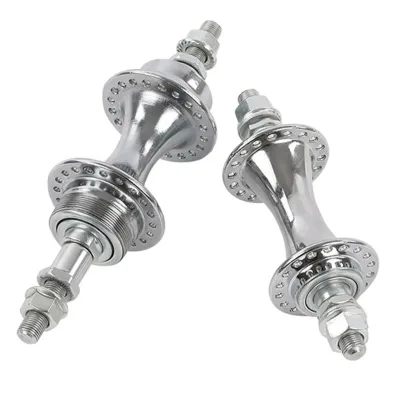


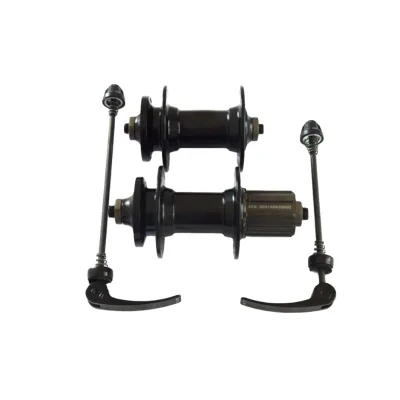
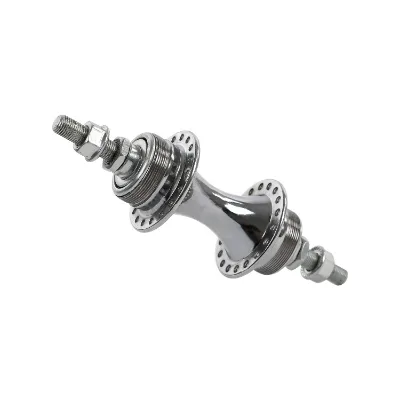
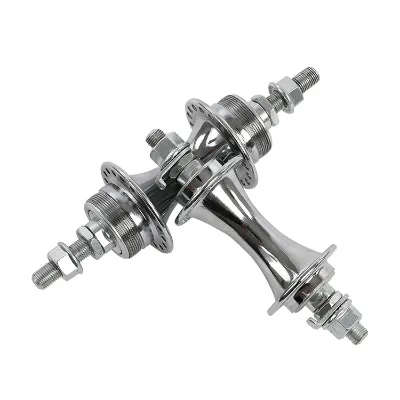
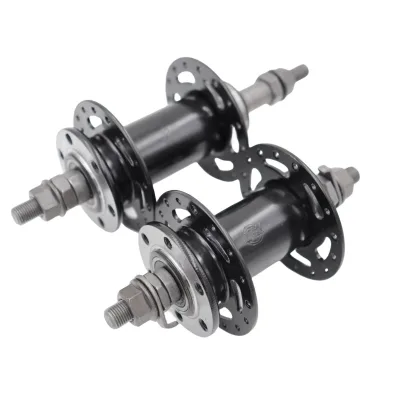
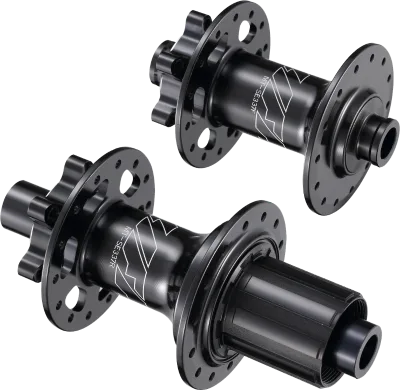
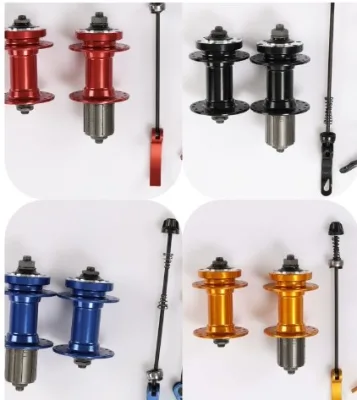
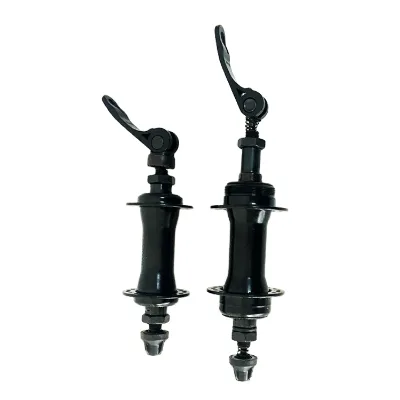
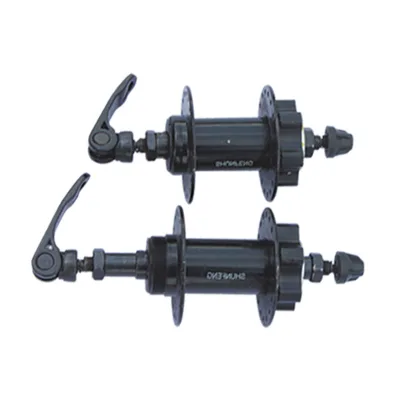
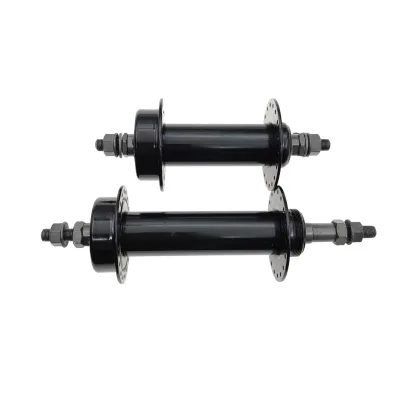
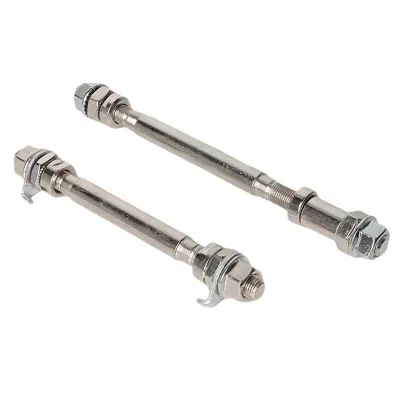
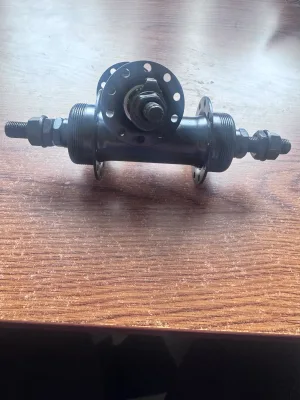
High Quality Cheap Black 36 Hole Double Wire Bicycle Hub for Mountain Bike
$0.60 - $1.50
MOQ: 100 pieces

Comprehensive Sourcing Guide
Anodized Steel Front Bicycle Hub Sourcing Guide
Sourcing anodized steel front bicycle hubs requires a nuanced understanding of the intersection between material durability, surface treatment efficacy, and mechanical compatibility. While the term "anodized" is frequently associated with aluminum components, its application to steel hubs typically refers to specialized electrochemical or chemical conversion coatings designed to enhance corrosion resistance and aesthetic appeal. Buyers must distinguish between true anodizing processes, which are chemically incompatible with standard carbon steel without specific pretreatment, and alternative surface treatments like zinc plating, chrome plating, or powder coating that may be marketed under similar terminology. The core keyword suggests a focus on front hubs, which bear different load dynamics compared to rear hubs, particularly regarding axle tension and bearing alignment. Understanding these distinctions is critical for ensuring that the procurement specifications align with the actual manufacturing capabilities of suppliers, thereby preventing mismatches in performance expectations and long-term reliability.
The procurement landscape for these components is characterized by a wide variance in product attributes, ranging from basic standard bicycles to specialized mountain bike applications. Observed market data indicates that suppliers often list hubs with varying axle materials, primarily steel, and offer customization options that allow buyers to tailor specifications such as spoke hole counts and axle lengths. This flexibility is essential for OEMs and aftermarket distributors who need to match hubs to specific frame geometries and wheel builds. However, the presence of conflicting attributes in listings, such as varying derailleur set configurations or mixed usage categories, highlights the need for rigorous verification. Buyers must navigate these inconsistencies by focusing on the specific technical requirements of their end products, ensuring that the selected hub meets the precise mechanical and aesthetic demands of the target market, whether it be for high-performance mountain biking or everyday urban commuting.
Product Scope and Observed Listing Signals
The observed product scope reveals a diverse array of bicycle components, with a significant concentration on hubs that serve as the central connecting point between the wheel rim and the bicycle frame. Listings frequently indicate that these hubs are designed for both front and rear positions, although the specific focus of this guide is on the front hub. The material composition is predominantly steel for the axle and fork, with aluminum or alloy rims often paired in complete wheel assemblies. This combination offers a balance of strength and weight, which is crucial for maintaining structural integrity under various riding conditions. The presence of imitation leather saddles and carton packaging in the broader product scope suggests that these components are often part of larger bicycle kits or complete unit shipments, rather than sold as isolated spare parts. This context is vital for buyers who are sourcing complete bicycles or wheelsets, as it influences logistics, packaging requirements, and assembly processes.
Listing signals also highlight the importance of customization and model specificity in the current market. Many suppliers offer non-customized and customized options, allowing buyers to select from standard models like the TJ-HUB series or request bespoke specifications. The observed price range of $0.15 to $40 USD reflects the vast disparity between basic, mass-produced hubs and higher-end, specialized components. Minimum order quantities (MOQs) vary significantly, ranging from small batches of 100 pieces to large industrial orders of 1000 sets, catering to both small-scale retailers and large manufacturers. These signals indicate that buyers have the flexibility to negotiate terms based on their volume requirements, but they must also be prepared to verify the exact specifications of each SKU, as generic listings may not accurately represent the technical capabilities of the specific hub model being considered.
Technical Specifications to Verify
Verifying the technical specifications of anodized steel front bicycle hubs is paramount to ensuring compatibility and performance. The axle material is a critical factor, with steel being the most common choice due to its high tensile strength and durability. Buyers must confirm the axle diameter and length, as these dimensions directly affect the hub's fit within the fork dropout and its ability to support the wheel's rotational forces. The spoke hole count is another essential specification, typically ranging from 29 to 36 holes, which must match the rim's drilling pattern to ensure proper wheel truing and tension distribution. Additionally, the bearing type and quality, whether ball retainer or oil seal, significantly impact the hub's smoothness and longevity. Buyers should request detailed technical drawings or datasheets to verify these dimensions and ensure that the hub meets the specific requirements of their bicycle design.
Surface treatment and finish are also key technical aspects that require careful verification. While the term "anodized" is used, buyers should clarify the exact nature of the coating, as it may refer to a specific electrochemical process or a different corrosion-resistant finish. The finish type, such as Cp or UCP, can affect the hub's appearance and resistance to wear and tear. Furthermore, the total length of the axle, which may vary between front and rear hubs, must be confirmed to ensure proper alignment with the frame. Buyers should also inquire about the tolerance levels for axle straightness and bearing seat concentricity, as these factors influence the hub's performance and the overall quality of the wheel assembly. By meticulously verifying these technical details, buyers can mitigate the risk of receiving components that do not meet their quality standards or functional requirements.
Compliance and Safety Documentation
Compliance and safety documentation are essential components of the procurement process, ensuring that the sourced hubs meet international standards and regulatory requirements. Certifications such as ISO and CE are frequently mentioned in supplier listings, indicating that the manufacturer adheres to specific quality management and safety standards. Buyers should request copies of these certificates to verify their validity and scope, ensuring that they cover the specific products being purchased. Additionally, certifications like BSCI may be relevant for buyers concerned with social compliance and ethical manufacturing practices. These documents provide assurance that the supplier operates within a framework of quality and responsibility, reducing the risk of supply chain disruptions due to non-compliance issues.
In addition to certifications, buyers should seek out test reports and performance data that validate the hub's durability and safety. While specific test results may not always be available in initial listings, reputable suppliers should be able to provide evidence of stress testing, corrosion resistance, and bearing load capacity. This data is crucial for assessing the hub's suitability for its intended application, whether it be for casual riding or high-intensity mountain biking. Buyers should also verify that the materials used in the hub, such as the steel axle and aluminum rim, comply with relevant environmental and safety regulations. By prioritizing compliance and safety documentation, buyers can protect their brand reputation and ensure that their products meet the expectations of end consumers and regulatory bodies.
Cost Drivers and Commercial Terms
Cost drivers for anodized steel front bicycle hubs are influenced by a variety of factors, including material costs, manufacturing complexity, and surface treatment processes. The choice of axle material, such as steel versus aluminum, and the type of bearing used, such as ball retainer versus oil seal, can significantly impact the final price. Additionally, the complexity of the anodizing or coating process, if applicable, adds to the production cost. Buyers should be aware that lower-priced options may compromise on material quality or surface treatment durability, so it is essential to balance cost with performance requirements. The observed price range of $0.15 to $40 USD reflects these variations, with higher prices typically corresponding to more robust and specialized components.
Commercial terms also play a significant role in the overall cost of procurement. Minimum order quantities (MOQs) can affect pricing, with larger orders often qualifying for volume discounts. Payment terms, such as CIF, CNF, FOB, or EXW, determine who bears the cost and risk of shipping, which can impact the total landed cost. Delivery times, typically around 25 days after deposit receipt, should be factored into inventory planning and order scheduling. Buyers should negotiate these terms carefully to optimize cash flow and minimize supply chain risks. Additionally, the availability of free samples can be a valuable tool for evaluating product quality before committing to a large order, allowing buyers to make informed decisions based on tangible evidence rather than just specifications.
Supplier Qualification and Quality Control
Supplier qualification is a critical step in the sourcing process, ensuring that the chosen manufacturer has the capability and reliability to deliver high-quality hubs. Buyers should conduct thorough due diligence, including verifying the supplier's business license, production capacity, and quality management systems. The location of the supplier, often in regions like Hebei or Guangdong in China, can provide insights into the local supply chain and manufacturing ecosystem. Buyers should also assess the supplier's experience in producing similar products, as this indicates their familiarity with the technical challenges and quality standards associated with bicycle hubs. Requesting references or case studies from previous clients can further validate the supplier's reputation and performance.
Quality control measures are essential for maintaining consistency and reliability in the supplied hubs. Buyers should inquire about the supplier's quality control processes, including incoming material inspection, in-process checks, and final product testing. The use of standardized production processes and automated equipment can enhance quality consistency, while manual inspections may introduce variability. Buyers should also establish clear quality acceptance criteria and inspection protocols, which can be enforced through third-party inspection services if necessary. By implementing robust quality control measures, buyers can minimize the risk of defects and ensure that the hubs meet their specifications and performance expectations. This proactive approach to quality management is crucial for building a reliable supply chain and maintaining customer satisfaction.
Long-Term Procurement Checks
Long-term procurement checks are necessary to ensure that the supplier continues to meet quality and performance standards over time. Regular audits and performance reviews should be conducted to assess the supplier's adherence to agreed-upon specifications and delivery schedules. Buyers should monitor key performance indicators (KPIs) such as defect rates, on-time delivery, and responsiveness to issues. These metrics provide valuable insights into the supplier's operational efficiency and reliability, allowing buyers to identify potential problems early and take corrective action. Additionally, buyers should maintain open communication with the supplier to address any concerns or changes in requirements promptly. This collaborative approach fosters a strong partnership and ensures that both parties are aligned on quality and service expectations.
As market conditions and technology evolve, buyers should also stay informed about industry trends and advancements in hub technology. This includes monitoring changes in material science, surface treatment processes, and bearing technology that may impact the performance and cost of hubs. By staying ahead of these trends, buyers can make informed decisions about product upgrades and sourcing strategies. Furthermore, buyers should periodically review their supplier base to ensure that they are leveraging the best available options in terms of quality, cost, and service. This continuous evaluation and optimization process is essential for maintaining a competitive edge and ensuring the long-term success of the procurement function. By implementing these long-term checks, buyers can build a resilient and adaptable supply chain that supports their business goals.
FAQs
What certifications do the bicycle hubs have?
The hubs carry ISOCE, BSCI, and CE certifications. These standards ensure quality and safety compliance for international buyers sourcing from Hebei Province, China.
Can I get custom specifications for the hub?
Customization is available for axle parts and spacer configurations. Buyers can request specific dimensions or materials like steel axles to match their bicycle frame requirements.
What is the minimum order quantity for these hubs?
The minimum order quantity ranges from 500 to 1000 sets depending on the specific model. Buyers should confirm the exact MOQ with the supplier before placing an order.
How long does delivery take after payment?
Delivery typically takes 25 days after the deposit is received. This lead time applies to standard orders shipped by sea from the Hebei manufacturing location.
Which materials are used for the hub components?
The hub features steel axles and aluminum rims. The saddle shell is made of imitation leather, while the fork material is steel for durability.
Are samples available for testing before bulk purchase?
Free samples are available for buyers to evaluate product quality. This allows purchasers to verify specifications like the 26-inch wheel diameter before committing to large orders.